Episode Transcript
[00:00:00] Speaker A: Thunder on the turf hear the crowd ignite perk Bears charging in red and black tonight from the try line battles to the lead wide steps we break it down, we bring it home these are the bare facts Perth pride game on let's attack this is the Bear Facts.
Hey. We are roaring with the Bears NRL story shaking up the air Big hits, big hearts, never looking back Tune it in get the bare facts Per pride Game on let's attack this is the bear fact.
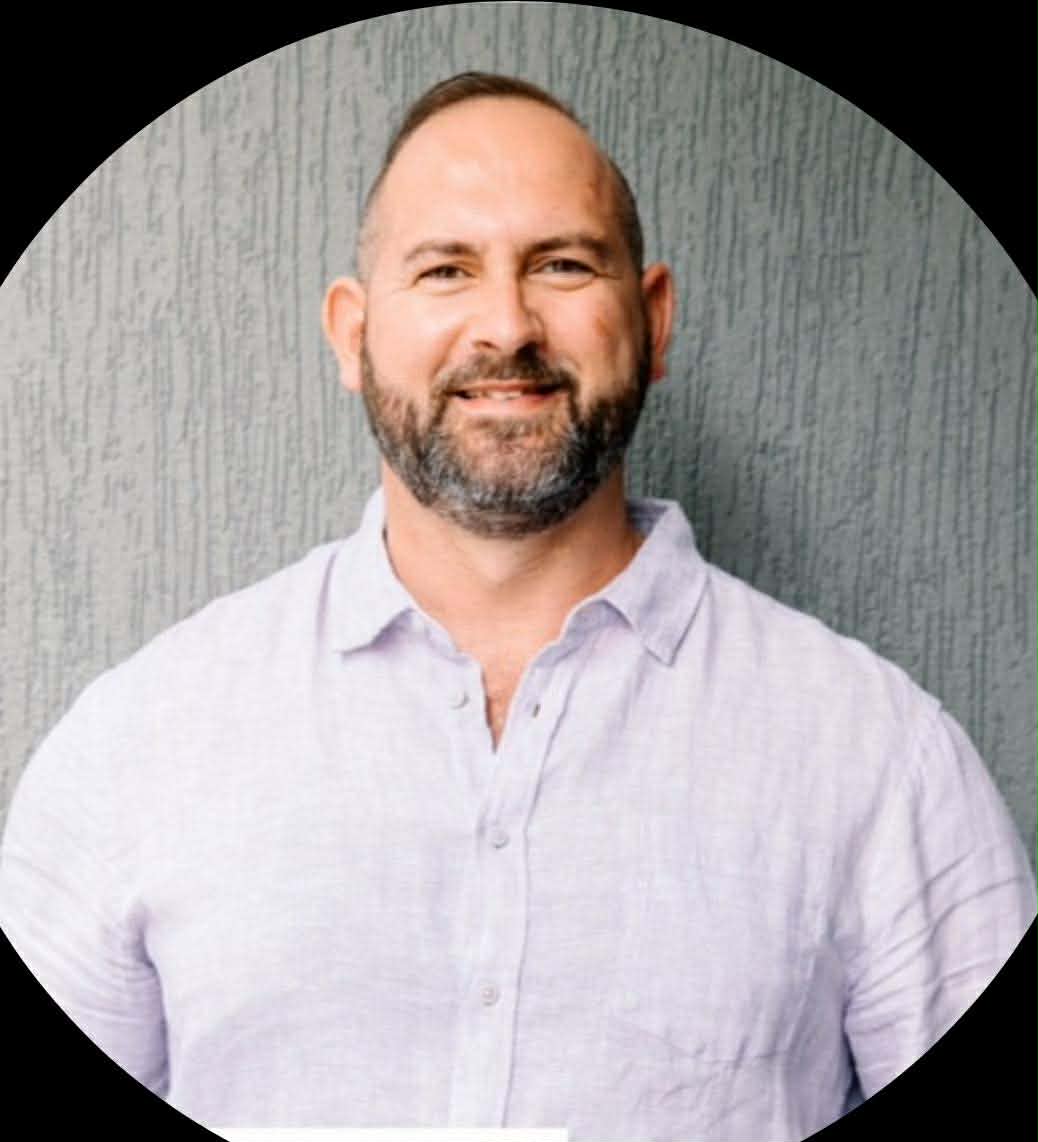
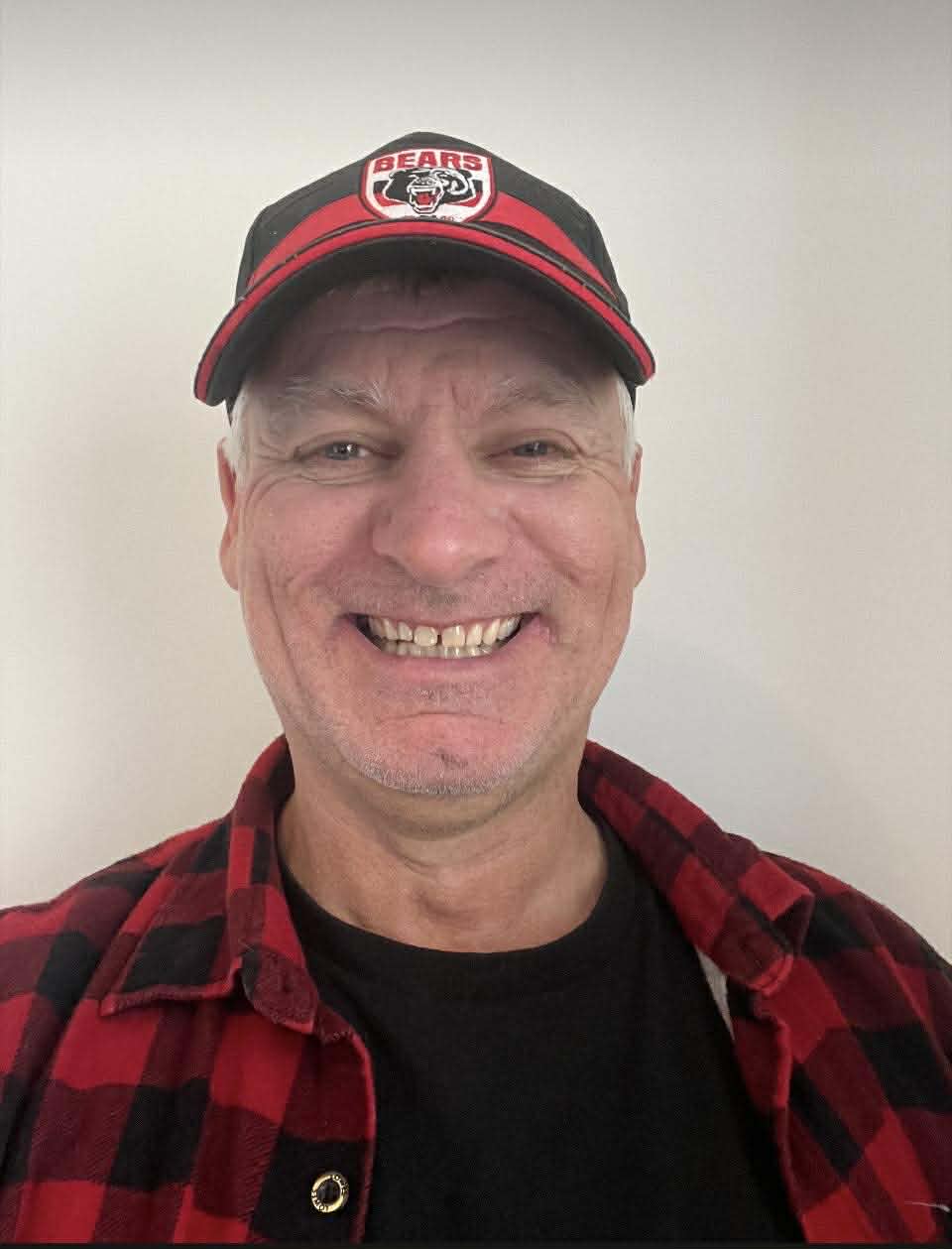
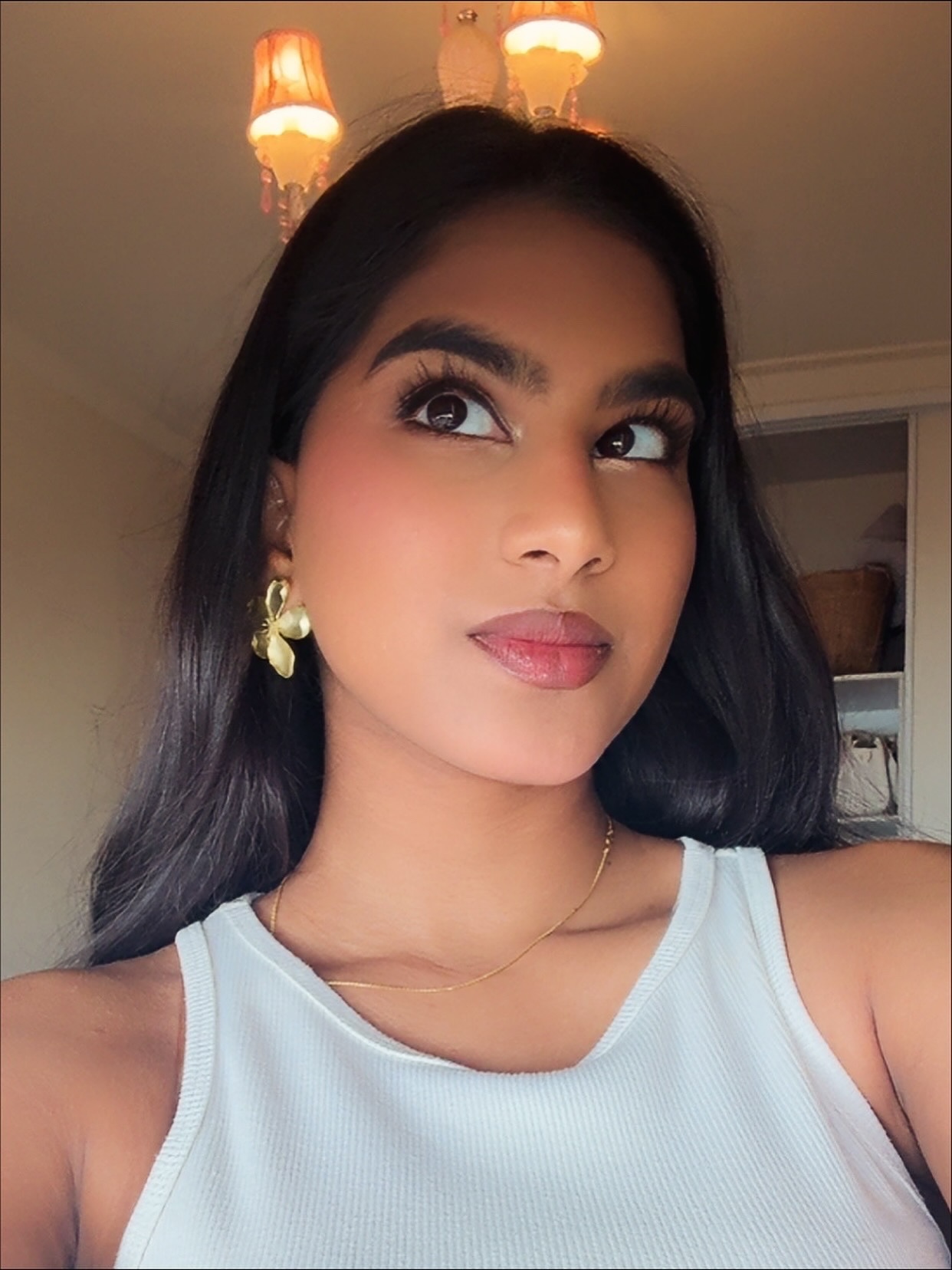
[00:00:42] Speaker B: Hey Grizzlies. Welcome to tonight's episode where we have the pleasure of chatting with Matt Fuller, former Western Reds player and captain, now a fitness guru and rugby league commentator. Hosting the show tonight is the ever engaging Rosny with the dynamic duo Johnny and Todd joining as co host to keep the conversation lively and fun. Get ready for some great stories, quirky insights and plenty of laughs as we dive into Matt's rugby journey and Rosi.
[00:01:06] Speaker C: Hey everyone. Welcome back to another episode of the Bare Facts. I want to thank Johnny and Todd for coming on tonight and Matt Fuller. So if you haven't already, follow our social pages which are linked in the QR codes throughout this whole live.
You'll be informed of upcoming events posts that we make so you can keep updated with us.
So let's get started.
Hi Johnny and Todd, welcome back.
[00:01:35] Speaker D: Hey Roger. Hey Todd.
[00:01:38] Speaker E: Hey guys, how are you?
[00:01:40] Speaker C: Good, how are you?
[00:01:42] Speaker E: Very good. Ready to go?
[00:01:45] Speaker C: Ready to go. So I have a few questions first just to start us off.
We know that the first round of NRL matches are happening in Las Vegas. I wanted to get your thoughts on that, what you think about it being held in la, in Las Vegas and if you would go see them.
[00:02:06] Speaker D: Well, I would like to go see him at some point. I think it's a five year contract so I think they're doing a cycle. I don't think every team will get a chance to go. But yeah, it, it, it's a spectacle and rugby league loves spectacles. I'm all for it.
[00:02:25] Speaker E: See at the moment, at the moment a lot of teams, it's like they, they are in a cycle and teams are getting turns that going and I know a few have knocked them back but they're getting that opportunity.
So I think next year will be near the end of the current lot. I think if you're going in order of the way they came into the competitions, the Dolphins might be the only ones who'll miss out next. You know, maybe start of 27 and then the start of 28. You know whether they go Dolphins, Bears, but you know you couldn't bring in New guinea as well, so you'd have to go back to the start again. Probably so.
But yeah, maybe one day. I don't.
[00:03:08] Speaker C: No, it's not on your bucket list just yet.
[00:03:12] Speaker D: Not.
[00:03:12] Speaker E: Not really.
Not really.
[00:03:15] Speaker F: Yeah.
[00:03:15] Speaker E: Not a big Vegas.
[00:03:17] Speaker D: I'll go to Singapore though. I know Anthony was putting up. Yeah, Singapore. I think a little bit closer to home and I think that'd be, that'd be funny if we get a chance to get up there. Yeah. Home away from home for the Bears.
Yeah.
[00:03:32] Speaker C: And then also in news for footy, the World cup challenge. Any of you gonna watch it at 3am on February 20th? Broncos vs Hulk Hul KR.
[00:03:47] Speaker D: I have a lot of Bronco supporter friends, close friends being up in Brisbane.
I've been on the Panthers bus for the last few years where they haven't got up.
I don't need that sort of torment from my Broncos fans. Yes, I will watch it, but no, I won't tell any of them I have watched it.
[00:04:13] Speaker E: I love a World Club Challenge. I watch it religiously every year.
I just wish like the NRL teams took it a bit more seriously than what they do. Like I know when the Roosters went over there they had a played a warm up game and they trained properly, you know, I don't know. You know, it's. It's really hard because the grand final squads change from the end of the year to the start of the following year. So, you know, I suppose the poms are like that as well. But yeah, they seem to take it more seriously than us and that's why they get the results. So.
[00:04:50] Speaker C: Yeah.
[00:04:51] Speaker E: Yeah.
[00:04:51] Speaker C: So well, I will be up watching that one at 3:00am for sure.
[00:04:57] Speaker A: Yeah.
[00:04:59] Speaker C: Okay, well, let's introduce Map Fuller and you guys can go ahead and ask him some questions.
[00:05:07] Speaker D: Hi Matt.
[00:05:09] Speaker F: Hello guys. Welcome and thanks for having me at the barefax podcast. Firstly, Rash, I want to say Todd, you got to be kidding yourself, mate. If you don't think you'd like to go to Vegas to see the north to the Perth Bears up against Manley there in Las Vegas. I don't know what odd what you're doing here, mate. It's like it would be sensational to. To watch the great side of North Sydney Perth from a Perth team perspective, go over to Las Vegas and play against those grubs Manly.
[00:05:42] Speaker D: You. You've sold us, mate. You've sold us.
We're there.
[00:05:46] Speaker F: Well, that's what we got to do.
We've got to make sure we get everyone following this great game.
[00:05:51] Speaker D: Yeah, yeah, of course. Hey, Matt, off the bat, I just want to give a massive.
I think a thank you is in order, but not from an. A rugby league perspective just yet. This is from a health and fitness perspective, this is from a fundraising perspective and the kindness of your heart to put on the Telethon 7 and getting out there in the community, I think that transcends rugby league as a whole and it's just a great initiative.
Fantastic work there, mate. Fantastic work. And if people don't know about it, get on Matt's page at Fuller Fitness, the telethon. There's a link there. Get on it. He's raised over $2 million already, which is absolutely fantastic. Kudos to you and all your efforts there, Matt.
[00:06:45] Speaker F: Thanks, Johnny. Look, it's. It's been a magnificent journey over the last 20 years.
After retiring from rugby league, I needed something to focus on.
And at times, you know, you thought, you know, when rugby league finishes, you go to bed one minute as Matt Fuller, the rugby league player, and you wake up the next day just as Matt Fuller. And not everyone goes into the media, not everyone has a media background. So a good friend of mine from Channel 7 and Barra, Adrian Barridge, said to me, why don't you do something for telethon? And I said, mate, it sounds like a good idea. What should I do? And he said, well, you're into fitness and, you know, you should probably start a couple of fitness challenges. So that's where the fitness challenges kicked off and started from. And in those days, my wife and I had to guarantee Channel seven ten grand just to get our mugs on there. And we're doing 24 hours nonstop challenges.
And after doing a number of years solo for 24 hours on a bike, on a grinder, on a cross ski, I thought, well, I have to grow this and we need to bring the punters in and, you know, we want to raise as much money as we can for the sick kids of wa.
And I thought to myself in one interview, I just was having an interview with Kochi there over in Sunrise and Channel 7, and he said, what are you going to do next year? And just like a light bulb, it went off, where I said, well, I'm going to hold the bigger spin classes. And I thought, just like our Roto swim here in Western Australia, if I could have teams of, you know, solos, duos and teams of four, I could bring the masses to telethon, we could raise more money. And at the end of the day, it wasn't about raising my profile. It was about raising as much money as we could for the sick kids of wa and it's a legacy that I'm extremely proud of. It's brought a lot of fitness enthusiasts to the table with a lot of dollars and at the end of the day the beneficiaries are those kids that are much in need of, you know, medical support and you know, it's a, to have a sick kid, I can only imagine what it would be like. I'm a father of two healthy kids. But, you know, as a family, I think we are so proud that we've been part of the telethon family for over 20 odd years and it's something that I cherish here in Wait.
[00:09:01] Speaker E: It's a very unique charity. Telephon7 I've noticed it started back in 1968 and they have so far raised like 770 million. I looked up today and yeah, very important roles they play in the community.
[00:09:19] Speaker F: So yeah, look, Toddy, it's absolutely, and it's, it's like, you know, some years we'd raise 75,000, other years we raised quarter of a million dollars. But at the end of the day it's all those little kids that, you know, they, their pocket change and they've been saving their pennies every all year just to give 20 bucks to Telethon. It's, I know we have a lot of million dollar donors and we have a lot of charity and money coming from our state government and federal government. But in saying that it's the mums and dads at home that go to work every day and put that hard earn on the line for the, for the sick kids of WA and they're the real heroes in all of this.
[00:09:59] Speaker D: It seems. Matt, through your career you've all obviously been regimental with fitness and it's transcended beyond that past your career.
How's that been like since you've retired? You touched on it before.
Are you still that fitness regimental person? You get up, you get your fitness in four or five times a week. Is that just the way you think you'll be wired?
[00:10:24] Speaker F: You know, Johnny, I'm already conditioned like that now. When I played, I was always prided myself on being one of the fittest players running around on that pitch.
And if, maybe it was because I thought I might have lacked a bit of skill, but in those days you had four subs.
So I, I identified that if I could be fit and, and when other big blokes started to tire, then I could start coming to the fore and start to work a bit of magic around the ruck as a hooker or a loose forward.
And when I retired, I remember I was going in for just my umpteenth arthroscope on one of my knees. And I was sitting there and I was reading a book and it was about the great Tracy Wickham, the great swimmer. And in the book she was talking about how she retired from swimming and she kept training as if she was an athlete. And I thought to myself, it just resonated with me that yeah, I was fully retired from rugby league and I was still going down the park and doing interval work and doing everything like that. And then I, then I realized after that that one kind of sentence that said, you know, I have to train now for, for fitness and mental well being rather than to be, you know, competitive in my sport that I chose or I applied my trade to.
So after that I just changed how I approached my fitness.
I did a lot. I trained, I still train today, you know, six times a week.
And I make sure that I've. But I'm very regimented in what I do each day. I've got my weights Tuesday, Thursday, I've got my cardio Monday, Wednesday and boxing Friday. I've got my bike on Saturday. So to answer your question, Johnny, yeah. Fitness has been a very big part of my life and you know, I gotta live to 86 to see my kids both turn 50, Locky and Trinity.
And I really think that if, if as a bloke for me to provide to my family, I have to keep myself physically and mentally fit as I can.
[00:12:27] Speaker D: That's great.
[00:12:29] Speaker E: Have you ever thought of getting into coaching, Matty?
[00:12:33] Speaker F: Well, from a, from a. I used to, funny enough. I used to coach my kids soccer. So my son Lockie started off playing soccer when he was like five years of age. And I end up coaching soccer teams until 12. And I don't know what it was. I love the coaching, but I love the fitness component more. I think as a coach you probably have these days especially, you have to be a little bit more of a people person. And I'm not saying I'm not, but I just enjoy getting an athlete or getting anybody from any level of fitness and getting inside their head and then making them realize that they can push beyond where they, where they think their limit is.
And I think if you can build confidence and have self belief and realize that someone believes in you, as I do my clients when I'm training them, that I can take them to another Level, well, then that's a huge buzz for me. And as much as rugby league is a massive part of my life and I owe everything I am as a person, as a dad, everything business as to rugby league. And I can say that sincerely and honestly, I believe that as citizens of this, of this great world, we can push ourselves a lot harder and a lot further than what we actually do. And I think if you can help someone achieve that and they can find levels that they never thought they had, well, then that's a huge buzz.
[00:13:55] Speaker D: I think Malmen Inga should reach out to you as the strength and fitness coach for the Perth Fairs. Mate, I think we got the perfect guy right in front of us, mate.
Speaking on, on players yourself as a player, you came through the late 80s, as a junior, played through the early 90s to the late 90s, the athlete, the rugby league athlete, how do you see him now compared to that era that you played in?
[00:14:23] Speaker F: Without sounding really disrespectful to our current players, I come from a very tough era when it was, you know, you got knocked down, knocked out, there was no blood rule, and your own teammates would be calling you all sorts of names if you didn't get up and get on with your game.
Now, I'm not saying our guys are soft and no way, because I love the current players and love the structure and I think everything that we can do to protect kids from getting injured, especially from a, from a grassroots perspective to, you know, our professional rugby league players, then we need to do that. But I come through an era where, as I said earlier, there was only four interchange. If you got subbed off, it's because you got coding and by your coach, you're playing crap and he got rid of you. Or they needed to make a tactical change for some reason during the game. But, you know, it's one of those games where, you know, we didn't have the concussion rule, we didn't have blood rules and blood bins and things like that. And, you know, even to the stage where it was only 5 meters in defense and it was just bastion barge and, and I think men were just built differently than I think. You know, it's, you know, your mental toughness was off the charts because you, you in that era, you had nowhere to side you. You, if you got found out, you got found out by your teammates first and foremost. But I wouldn't swap anything. I think we need eras. If you don't have areas, you, you know, you certainly can't grow and learn and expand on, on your career and you can't, you know, even today you look at social media, you, you, I, I played with a lot of great players and if they had social media back then days they probably wouldn't be working today. But you know that that crop of footballers have all have to go to work and get up and go and earn a living where I guess there's so much money in sport today. And they have everything they need, they have mental coaches. We've got to make sure that these kids aren't mentally over challenged.
You know they have down days, they watch their load, they train more for horses, for courses. So you know, the forwards are doing different stuff to the backs and I think that's a good thing. I think our game's never been healthier, you know.
You know it's great inclusion to have the Perth Bears coming next year. I'm so excited and, and you know, and Papua New guinea the year after and you know, in saying that I think, you know, the game has gone through a learning curve over the years and if you look at the Super League era and where, where we got it right and where we got it wrong but as a game I think we still have evolved and you know it's a great product and you know Toddy, you mentioned it earlier about, you know, I was joking around when we were talking about going to Las Vegas but I think the NRL have done an unbelievable job to get a foothold in America and that will come about by.
They didn't play during the COVID and we did and they were able to, to sit in and watch rugby league and next minute they're going, God, look at these boys playing. They're not wearing helmets, they've got no pads, they're getting smashed out there and they're just getting back up and playing the game and I think that's, you know, to you know, the, the way it was when covert was in and we're probably lucky and fortunate that that's how it happened.
[00:17:32] Speaker E: Yeah, I'm in your playing days, Maddie. Your very first game or first official game for Western Reds against St. George in front of 25000 at the Wacker. Can you run us through what that was like?
[00:17:47] Speaker F: You can still remember like that like it was yesterday. It's 12th March 1995.
We had been training nearly on, you know, a good six months for that one game against St. George at the WACA. I remember it being a 40, 40 degree heat in the, in during the day and you know, we've Come to the game and you could just feel there was an energy, there was a buzz around. Mark Guy's eyes were rolling around the back of his head.
Brad Mackay, he'd obviously been in grand finals in the, you know, with the great St. George teams and you know we just had, we had a mix of youth and experience and we had a lot of hard men and we, and we, you know, at one stage they called us a bit of a misfits.
But I remember turning up to that game like I'd never wanted to play for anyone ever again in my life and it was like it was buzzing and I remember running out to the crowd, you know, you're leading the boys out and, and you, and you look around and you see 25,000 people just screaming Reds, Reds, Reds, Reds. And you know, sometimes you can go to bed at nighttime and you can hear that echo still in your ears. It's. It was amazing. It was spine tingling. And then the kickoff happened and we're in your game. And once you start getting into your game, I mean obviously that background noise disappears and the coaching's done and it's over and it's up to you mentally and physically how you going to prepare or how you've, or you challenge yourself for that next 80 minutes.
And I remember it was stinking hot and we just got St. George. We were never going to lose that game. I think you know that that weekend we were the only inaugural team to win their games out of the four expansion teams.
But in saying that in our mind our self belief was so high it was probably a borderline on arrogancy and I didn't think we're going to lose that game. And we just keep it at St. George on that day and we end up winning the game 28, 16 and Jeff Doyle went across and scored the inaugural try for the Western Reds.
And now I'm in the background jumping up like the Toyota ad and I was very fortunate to be the bridesmaid and I got the second try and I remember the crowd just going nuts.
Yeah, it was amazing.
[00:19:56] Speaker D: You guys missed out on the finals by. You guys missed out on the finals that first year just by a bees. You know what, how did you find the following seasons? Because obviously that first season would have been such a rush, such a sugar hit. You guys were on the up. You did so well. Super league breaks out. How did you find it going through 95, 96, 97 and trying to stay positive through all the turmoil that was happening in the rugby league world?
[00:20:25] Speaker F: It Was, you know, Johnny, it was, it was a terrible time. And probably when you look back at now, probably the game had to go through that period to grow, to be honest. And you know, in 95, you know, we won 11 out of 22 games. As you said, we, we missed out on the finals. We got beat by St. George late in the campaign and you missed out on going to the semifinals by two points. I think it was at the time.
And then, you know, that year I was very fortunate as a hooker. I scored 10 tries in the season, which is, you know, three hookers in the history of rugby league have done that.
And the following year this, all this talk broke out about having this breakaway competition, Super League and when it, when it finally broke, there was, you know, talk of, you know, Peter Mulholland getting sacked. We didn't know if you're going to stay with the, with the ARL at the time or was going to go to Super League, mate. It was just a shit ton. No one knew what was happening and it really unstabilized, I think the Western Reds and certainly what they had built and the quick existence and even though, you know the Western Reds, Perth, and the Perth Reds were here for only three years, they certainly had a massive footprint in this state.
And obviously, you know, if it wasn't for Super League, dare I say it, but I think the Western Reds would be still around.
[00:21:51] Speaker D: I agree, definitely.
[00:21:56] Speaker C: All right, Amazing information.
I have a few questions for you for Todd and Matt. Todd, I noticed a background change. Where are you? Are you in your car?
[00:22:09] Speaker E: Yes, I'm down the south coast near Naura Rurala in Shell Harbour.
So I've just been working my way up. We worked our way down to Batemans Bay and now we're slowly working our way back up and down Central coast and we should be back up there by Friday. So yeah, a bit of a beach getaway. So yeah, it's been good.
[00:22:29] Speaker C: Yeah. How exciting. Are you going away.
[00:22:33] Speaker F: Portable headquarters?
[00:22:35] Speaker C: Yeah, yeah.
And Matt, I noticed painting in the back of your screen.
Could you tell us more about it?
[00:22:46] Speaker F: When I retired from the, the Western Reds or I'd finished my last game and I'd moved to England, I'd ran into a local artist here, Joss Myers, who's a very well known artist in, in Western Australia and, and she said, you know, I just, I just want to do something for you and you know, you give so much. I just want to give something back. And she very kind heartedly did this painting and it's been in her house ever since I don't think my wife likes it in the bedroom though. I have to keep moving around the house. And so, yeah, it's a bit of a standard, bit of a standard joke that, you know, she might come home and they might be in the lounge room or the bathroom or the bedroom. So we just keep moving it around and keep it guessing.
[00:23:28] Speaker C: No, it's very, it's very nice.
So we've got a quick little quiz segment we're gonna do.
So basically what we're gonna do is it's gonna be Todd versus Johnny. And the rules of the game are questions to be asked. Correct answer gets a point. Just call out your name if you know the answer. And if you don't know the answer, Matt can answer it for us.
Okay, so question one.
Which club did Matt Fuller captain during the inaugural 1990.
[00:24:09] Speaker E: Western Reds.
[00:24:13] Speaker C: And that's correct.
[00:24:16] Speaker F: Did Tony say that?
We'll give him a point.
[00:24:20] Speaker C: We'll give him a point. Okay. Oh yeah, you're meant to say. You meant to say your name and then answer.
Okay, next question.
Before joining the Western Reds, which Sydney based club did Matt Fuller play for?
[00:24:36] Speaker D: Johnny, there's three of them.
Yeah, yeah, I got in first. Yeah, he, yeah, he went from doggies to Dragons to South Sydney.
[00:24:47] Speaker E: I think Rabbit eyes.
[00:24:49] Speaker C: Yeah, yeah.
[00:24:51] Speaker F: So it was the South Sydney Rabbit O's before where I was actually signed by Peter Mulholland to come to the Western Reds at the end of 93.
[00:25:02] Speaker D: Nice.
[00:25:03] Speaker C: Okay, next question.
Matt Fuller played in several positions during his career. Name at least three of them, bud.
[00:25:15] Speaker E: Second row and lock.
[00:25:18] Speaker F: And then we'll give him that.
[00:25:20] Speaker C: Yeah, okay.
[00:25:23] Speaker D: Did you have a. Do you have a preference, Matty? Sorry? Did you have a preference?
[00:25:26] Speaker F: I felt most comfortable playing either.
You know, it's funny, Johnny, because you know, growing up and playing schoolboys rugby league for the, the great St. Gregory's College, Campbelltown. Under Peter Mulholland, I was always five, eight, half back. I played all my junior footy at five, eight, halfback. And then I go to the Canterbury Bankstown Bulldogs where I was contracted to as a 15 year old and Phil Gould played me my first grade debut in the centers and that was like a foreign language to me. So I remember we played the Roosters that day and I'd actually, on that day, bit of trivia for you. I played in all three grades. So I played in the first grade, the reserve grade and the under 23s.
So it was a big, big day for myself.
But yeah, my preferred position as I, as I Got into my career. I really enjoyed playing at Lock, but obviously I played my best rugby league as a hooker.
[00:26:24] Speaker D: Awesome.
[00:26:26] Speaker C: Matt Fuller captained which UK club to a Premiership victory in 1998.
[00:26:32] Speaker F: Okay.
[00:26:35] Speaker C: Yes.
[00:26:35] Speaker E: Wakefield Trinity.
You actually had two stints with Wakefield before the Western Reds and then after the Western Reds or Perth Reds?
[00:26:45] Speaker F: I should say, sorry, the.
When I signed for the Western Reds at the end of 93 South Sydney, weren't you happy about it? And what the Western Reds did, they, they sent a lot of out their sign players over to the UK so they could keep applying their trade. I was very fortunate to go over and to play at Wakefield Trinity, a very, a great club that I, that I had a great association with. And then after the demise of the Western Reds at the, at the end of 97, I went over there captain their side to a premiership winning team in, in the 98 season. And we actually, my wife and I actually named our daughter Trinity after the club.
[00:27:29] Speaker D: Oh, wow.
[00:27:30] Speaker C: Thank you.
Okay, next question.
What was the outcome of Western Suburbs final season when Fuller played for them?
[00:27:41] Speaker D: Johnny, this is, this is.
Oh, I said it first, but this is actually a real good pub quiz because Maddie played for the two Western clubs in their very last seasons in, in their top grade. So he played for the Perth Reds in their last season in the Western suburbs. In their last season. I don't, I don't think another player, I don't think another player played for both Magpies and the Reds. I could be wrong there, but yeah, I find it pretty cool.
[00:28:17] Speaker F: Sean Divine was an actual local junior there at Campbelltown and I, and I had a big association with Sean over the years. We grew up as oppositions, but more closely as brothers today. And Sean played in the junior Campbelltown competition. I was at Minow at the time and then he played for the Western Reds as well. But in saying that, you know, you know guys, that, that 99 season, that was one of, one of my, let's just say fun and favorite seasons under the late great Tommy Donaghus.
[00:28:53] Speaker D: I bet there's a few yarns you could say that probably aren't PG rated.
You would like to hear it one day.
[00:28:59] Speaker F: Well, the thing about Tommy, he didn't mix his words. I don't know if I can on, on your, your Bears fucks podcast, but one thing I loved about Tommy, he. He was all heart and he, he didn't care. I suppose if we got beaten, it's how we got beaten. And if you didn't have a crack, I'll tell you what. He was filthy with you. So, you know, I, I know that with Tommy. I remember I got the phone call I, I thought I was going to retire at the, after winning the, the, the grand final in 98 for, for Wakefield Trinity and I'd return back to Perth and I was having a lot of trouble with my knees. You know, they've both been replaced these days, but along with the hip. But in saying that I thought I was going to retire and I got a phone call from Tom Redonica saying, hey mate, we need you to come to the Magpies. We need a defender and we need someone that has got a lot of experience and we need a really good defender. And I said, mate, I'm on the next, I'm on the next plane. And I went over across there thinking I was going to play hooker and he ended up saying to me, you know mate, I'm going to give you an opportunity to get your 100 first grades games. You're about 14 short at this stage. He goes, I think I can help you out. And I go, no mate, you just tell me where you want me to play, Tommy, you know, and I'll play wherever you want me to play. I didn't know he had front row in mind though.
I played there. Front row.
[00:30:25] Speaker E: I saw that.
[00:30:27] Speaker F: 88, 89 kilos. Give me the ball. I think I got smashed on every, every hit up off the tap. I took it up. I think I got smashed every time. But no, I love, I love Tommy and I just think, you know, he's a normal ornament of our game and you know, especially what he's done for rugby league. New South Wales and western suburbs, Newtown when he was at Newtown. Some of those games are just legendary. And you talk about how the games changed. Well, you know, I probably just missed, just missed, you know, the late 70s and 80s when it was just a free for all. And I don't know how those guys probably are not running around with more head injuries than what you know that we protect today, obviously. But in saying that Tom Radonicus, what a great man.
[00:31:14] Speaker C: Definitely.
All right, last question. This one should be easy to know.
After retiring from rugby league, what type of business did Matt Fuller establish in Perth?
Okay, that's definitely Todd.
[00:31:33] Speaker E: Fitness industry, personal trainer, full of fitness.
[00:31:38] Speaker C: Extra point. Where is it located.
[00:31:43] Speaker F: For extra points? Sorry.
[00:31:48] Speaker C: Take a wild guess.
[00:31:50] Speaker E: Ah, Subi. Not Subiaco, was it? It was near.
[00:31:53] Speaker F: Yeah, yeah, yeah, you got it.
[00:31:57] Speaker E: Did I get it?
[00:32:01] Speaker F: Yeah, you listen early. I think you know, I've been very lucky.
I'VE been extremely lucky with the, with the fitness business and I mean, you know, I often tell people, you know, the harder you work, the lucky you become. But I've had a very good clientele over the years and I think, you know, as a trainer, as I mentioned earlier, I just love helping people, I love helping them reach their fitness and mental and physical goals. And you know, and 20 odd years later I didn't think that after rugby league I'd be still, you know, working as a personal trainer. But I'm up at 5:30 every morning, do me 12 hours and, and I just love it. So I'm very fortunate that you know, I've been able to last in, in a, in a career outside of rugby league that's, that's also been able to provide for my family and, and give us along with my wife working at everything we have today. So I'm blessed and I feel very lucky that I found something that, you know, outside of rugby league that I could do and be good at.
[00:33:02] Speaker D: That's awesome.
We've had a few questions come in for you, Matt. The first one's more a statement, someone just saying what we all know. Tommy was a great man. There was no one like him. The great late Tommy Rodonicus.
And the question coming in from Tim Pill. Peter Mulholland had a great linkage to both North Sydney and, and the Western Reds. Well, he's, what were his greatest coaching attributes and how did you find the man when, when he was coaching you?
[00:33:32] Speaker F: Firstly boys, you know, like I met Peter Mulholland when I just made Australian school boards under 15s.
You know, that was a competition. We played out at Beau Desert and I was approached by this man. It ended up being Peter Mulholland and he was a scout for the County Bankstown Bulldogs at that time and he signed me up.
I made the Australian school boards at Erie and, and he signed me up. And Peter Mulholland is probably one of the greatest people and coaches that I personally have had the pleasure of knowing and dealing with over the years, you know, and especially at St Gregory's College, Campbelltown, I got the scholarship. The part of the deal was when you sign for the Bulldogs you go to a school. They took me out of my public school, put me into St. Gregory's College, Campbelltown, which was, as we all know guys, it's a massive nursery for, you know, future first grade rugby league players. And not just that, but good men. And that's where, you know, Peter Mulholland installed belief in me and confidence and he empowered me to believe in my own abilities, that I could go somewhere. And I learned a lot out of that. I learned that even in today's society, if we can empower people to believe in themselves, that is a great gift. And he certainly had that. And, you know, I was kicked out of home at 14 and then when I went through school, I couldn't read and write. But he was a man that, you know, took me into his own house. I was living in a caravan at the time. He took me into his own house there at Malgola in Penrith with his beautiful wife Mel.
And they raised me for some time. But, you know, he was just a great man, a great mentor. And he was one of those blokes that, you know, no one could ever beat him for people skills. He just knew how to push your buttons and knew when you needed a cuddle as well as a kick up the ass. So when I got the phone call from Peter at the end of 93 when I was at South Sydney to come and play for the Western Reds, it was, you know, it didn't take too much convincing. When a great man like that has had so much, I guess, belief in your career and I guess a lot of guys owe their rugby league careers to the great late Peter Mahone, who sadly passed away in 21.
[00:35:58] Speaker E: Maddie, we've got another question. We've got a question from JGB 70.
Will the Perth Bears versus Manly clashes have a bit of venom in them considering the history of their failed merger, do you think?
[00:36:11] Speaker F: You know, look, I really hope so. You know, I won't go as far as say, let's bring back the Biff. But boys, if you, if you look at, you know, Billy Moore, you know, you don't get him and Greg Florimer, you don't get two bigger advocates for, for the new Perth Bear side. And I was have, you know, I had a couple of words with Billy about how, how we saw it was going to happen. I said, wouldn't it be great if we could have Manly play the Bears at North Sydney Oval? And he said, sheepy. He said, mate, I love the idea. He said, but the ground wouldn't be big enough.
He said, when that game happens, we're going to need a stadium that can hold over 50,000, my brother, because this is going to be one of the greatest shows you'll ever see. And he just talks about it and he was right. Like, the passion these guys have got for that club is unbelievable. And I think, you know, it's probably not the rebirth of the Western Red. It's not the rebirth of the North Sydney Bears, but I think it's, it's, it's a, it's a baby, you know, in the making in the Perth Bears. And I think it's going to be a new club, new, new start, new everything. And, and you know, history will show that there can be two great clubs come together, but I think the, the Perth Bears are going to be an absolute powerhouse.
[00:37:27] Speaker D: How do you think that will affect the rugby league nursery in wa?
We're expecting it to just blow and blossom.
You see the same trajectory, more kids starting to play the game.
[00:37:41] Speaker F: Absolutely. Johnny. Look, I've said this before and I've been very vocal and been a massive advocate that if you can get rugby league back in this day, we're going to give these kids from a grassroots a pathway. And that's what it's all about, is giving these kids an opportunity and a pathway to play professional sport, rugby league in this great state.
We don't want to lose kids to the eastern states. And, you know, I think this time they would have learned or they would know that from history that people do love their rugby league here in Wall street. And I can only see that the kids, it's going to take a lot of, lot of dinner off a lot of other, you know, codes table. I think a lot of kids will be playing rugby league. I think once they know and get to follow it and, you know, they fall in love with this code again. I can only see, you know, tens of thousands of kids in the future just taking up the Garrett game of rugby league.
[00:38:40] Speaker E: Matty, I got another question.
Just with the travel to wa, what advice would you give to any players signing with the Perth Bears?
Like, in the travel situation? Like, how did you find it in your playing days? And do you, do you find, like last week Peter Cummings said maybe they can do two games in wa, two games on the east coast and two games in the wa. What are your views on all of that?
[00:39:11] Speaker F: Well, my view is, is obviously from a history point of view, right? So I thought it was a lot of crap. I probably traveled the most of any player and I just loved getting away and playing. And, you know, I'm not trying to sound arrogant in any way, but I think if you're mentally and physically prepared the best you can to go and play and once you put on that jersey and to be a foundation player in Anau club, there's nothing better. It's such a thrill and I wish I could do it all again. But you know, my advice, if I was on that plane with Malmeninga going over to speak to a young player to come back to wa, there is no greater place to, to hang out after a great win and then, and then WA and it's a great place to live. We've got a beautiful city, we've got great beaches, we've got great climate and obviously, you know, we've got a beautiful, beautiful coastline that, you know, why wouldn't you want to bring a family up here in wa? And also, you've got to remember these guys are under the microscope these days with social media and the pressure of, you know, the social media aspect of it. But here, because they've got, you know, the West Coast Eagles, they got the Dockers, they've got the Perth Glory soccer team, they've got the Wildcats basketball and all and then all the cricket and everything goes on, on all our ladies sports. I just think that, you know, rugby league, these guys will be, be able to walk around and, and, and, and have some comfort in knowing that they're not going to have a camera thrown in their face every two minutes or, you know, people here are pretty laid back. They see a lot of sporting stars walking around town. You know, they're not arrogant, they're very approachable. And I think rugby league players that come to Perth will not want to leave on telling you this is a great state and I'm so proud that firstly the Western Australian Rugby League, the Junior, the Warrell, have done a fantastic job in keeping rugby league in the forefront of people's minds. But also our premier, Roger Cook, who, you know, single handedly, I would say, loved rugby league and wanted to bring this great product back to wa.
And I think, you know, with everyone getting on board, I can just see this going nuts. I think it's going to be a powerhouse. You just have, have to have a look at the players have already signed. You have to look at what sponsorships have brought on. They, they are going at this full throttle. And I think, you know, listening to, to Ma last week in an interview, you know, he wants to build a winning culture straight away. You know, it's not going to be like a honeymoon period.
You know, the Western Reds in their inaugural year won their first game and won 11 out of 22 games and were very successful. There's no reason why that can't be done again. And I think, you know, the crop of players they're bringing over is very exciting. I know that, you know, we haven't named a massive marquee player yet, but I think it's probably not in the. In the too distant future. But in saying that, I think they'll get it right from the grassroots up and the Perth Bears will just become a juggernaut within years to come in this great state, boys.
[00:42:19] Speaker D: Couldn't agree more, mate. Speaking on the roster that we've assembled so far, the 13 players, is there any others that you wish to add to that? Like if you had a wish list? And what do you think of the 13 players we signed so far? I know you touched on it slightly, but what's your overall view so far, mate?
[00:42:41] Speaker F: Well, I like it. I think it's got a lot of youth and experience. It's got a hell of a lot of experience and it's got a lot of, you know, international flavor from the boys playing in the Super League over in England. When and when they come across and they play in the nrl, I think they'll only become better footballers because, you know, it's a different kind of game. But, you know, like Josh Curran, you know, is now at the Bulldogs. I can see him having a bit of a cult following here in Western Australia with the. With the headgear and the long hair. I really think he's going to be someone that, you know, the kids aspire to be like. And then, you know, like Liam Henry from Penrith. I know the young kid's just done a knee and he's out for the season, which is horrible news for him. But, you know, he. He'll be chomping at the bit. They'll get him right. He's only 24 years of age. He's already played over 50 games for the Penrith Panthers and won a premiership in 2024, boys. And I. I think with the team they've got, if they can get, you know, I mean, if I had a wish list and all that, I would actually go after Nathan Cleary. I'd throw the kitchen sink at him. I think he's well known, is. Is girlfriend is in the uk, which is obviously close from here, from Perth via Dubai. But in saying that, I just think, you know, Nathan Clary's won, what, four premierships?
His old man played for the Bears, so.
And I think he has an experience and he's a. He's a great leader and I think he's probably one of the best rugby league players in our last 10 years. And, you know, he got a lot of stick when he gets to state of origin level, but I think the guy is very Chilled. He's been over here a number of times to visit wa. He'd love it. And I think, you know, apart from having, you know, his captain there, Isaiah. Yo.
I'd probably. They're the two Penrith guys. I'd go, they've both got ties here in wa.
They're both great men, they're both great leaders and I think if you had a lock in Azalea and a half back in Cleary, I think that would be a huge bonus for this team.
[00:44:42] Speaker D: Be almost unbeatable.
Yeah, two good choices.
[00:44:48] Speaker E: Question. Back to your playing days. When you first initially signed with the Western Reds, did you know if any other players had signed or know of and like, what made you sign with Western Reds and what was the appeal to it all?
[00:45:08] Speaker F: Well, initially it was like Gordon Allen at the time was, was the CEO and obviously Peter Mulholland was the coach. And as I said earlier, the, the association. Association I had with Peter Mulholland was a no brainer and, and you know, I wanted to play more regular first grade and I believe I could play it at a high level.
But when they started talking about blokes like Rodney Howe, Brad McKay, MG guy, I mean, it was just, it was just amazing. You see these guys already played international football and then you had Matty Rodwell. Yeah. David Boyd, Chris Ryan. Yeah, we had a great side and it was like, you know, the boys are still very close today. They're a great.
We had a great teammate and we had a good camaraderie off the, off the field, but, you know, we were sold. It sold out a little bit when people, you know, said we were a bunch of misfits and whatever else and you know, but you know, Mark Guy, you know, he was, it was a firebrand definitely, but he was someone that, you know, after every game, I'll tell you what, there'd be a group around him that just wanted to talk to him and, and have a photo with him and have a beer with him. And he, and I think that after that first game of the Wacko, I think he might have had a beer with everyone in the ground. But, you know, it was, it was just, it was just so great. And then, you know, I played with Mick Potter at St. George and he come across at the end of his career and just to have his stable influence in on the young blokes and we had a lot of young bls coming through and you know, it was just great. And I think, you know, I wouldn't swap it. Unfortunately, Super League did rear Its ugly head but we got through it and not only did we get through it, the game got through it and I think the game coming up the other side in a much better position and I think it's very well run today. You know, I think if you have a look what they've done with Peter Valandes and Andrew Abdo have done a great things for rugby league and you know, they, they probably, they probably couldn't have been more vocal about getting, getting the, the Perth Bears in as well.
[00:47:09] Speaker E: Definitely.
[00:47:12] Speaker D: That's awesome, mate. So how excited are you for the first game, mate?
[00:47:21] Speaker F: Well, mate, this coming up, I really love me rugby league and I've been very, very, very fortunate to do a lot of media work and cover the games, especially with my great mate Sully Sullivan who was massive in junior rugby league here. I've been very vocal from an NRL point of view of getting a side back in the top flight. But there's a lot of guys a lot better than me that have done a lot of great things for our great game in wa, especially from a grassroots and junior level.
And you know, and they're really the unsung heroes that, you know, after so many knockbacks of trying to enter the competition either through the old Western Reds or now, you know, the new club, the Perth Bears.
I'm just excited that we have got something that we can be really proud of and the kids can aspire to have a pathway to play the great game of rugby league. And I say that sincerely. I'm super excited. I want to be involved in any way I can. I've already got over 30 people that I know personally that we're going to the club in March to join up as one group and it's just going to be so exciting. I think, you know, when it comes kickoff time in that first game in 27, you know, win, lose or draw, it's going to be amazing atmosphere, it's going to be very vocal. But it's going to be the stepping stone to something great and something purposeful here in Western Australia. And I think they got the right man for the job. Matinga he wants to build a winning coach, a winning mentality and he's a coach that, you know, he's coached at the highest level, international level. He'll have a lot of people that follow him and you know, I just sat back and watched Ma when he was over here engage with our local people and our local supporters and you know, he was mocked wherever he went and more importantly, he, he wasn't Arrogant. He wasn't, you know, I'm Malmen Inga. I don't need to talk to you. He gave his time and energy to everybody that wanted to have a chat to him. He stopped wherever he went and he reminded me a lot of the great Peter Mulholland that he had that fortitude to see that, you know what, this is a people persons game over here. We're in wa.
You know, you can't have someone that you know, wants to shut the media out, wants to shut the public out. You need to be a people person and I think they're in the CE has got this right done magnificently with the announcement of Meninga as coach.
[00:49:51] Speaker C: I definitely think so. You definitely need someone who is part of the community and knows how to interact with everybody, all the people, kids and adults for sure.
I think I want to go back to signings.
There are two rumors going around in the signing world for Jesse Colquhoun and for Jesse Arthur's Broncos and Sharks player. Do you think they would make a good match for the Perth Bears?
[00:50:21] Speaker F: Yes, certainly they would. And you know it's normally when there's a bit of a. Rumors, it's like in a bit of smoke there's fire. But you know, it's hard to, to, to say, you know, we're going to get this player and get that play. If we had a wish list, you know, I really wanted them to go after to Bradley from the, from the Cronulla Sharks. The hooker. I thought he would have been a tremendous buy. He's been a great, outstanding player for Cronulla. But you start talking about rumors in Indian days and then what did the Cronulla Sharks do? They went and signed him up on long term.
So I think, you know, the, the, the Perth Bears need to keep their cards close to their chest. They don't want to reveal anything. They don't want to let anything out of, you know, the cat out of the bag, so to speak. Because these clubs aren't stupid and like that I think they miss a great opportunity because then the Sharks went and signed his young kid for another four or five years and took him off the table. So if the word gets out rash, it's, it's, it's too late. The clubs are already, they're not stupid. These managers are already clued in and they, they know that if other teams are sniffing around that they, they're going to approach their own club if the player wants to stay there. But I, I see the, where the benefit is and I can't sell it hard enough there, Toddy, is that if you've got an inaugural team in the NRL and you've got clubs with some history and then, you know, in North Sydney have got great tradition and as I said earlier, the Western Reds were only in this competition for a brief time, but they made a huge imprint here in wa.
You're going to be successful and I think, you know, you're going to have a lot of people aspire to get on board.
I've spoken to so many people that you know are going to go and follow rugby league as well as go and watch, you know, their Eagles or Dockers. And I think that is already a huge win in itself. When you get cross code start talking about following each other, you almost could form a super ticket, couldn't you? And just, you know, we just be greedy and go and watch all the sports here.
But you know, we, we know we don't want to put too much pressure on these young kids coming across. We don't want to start talking about premierships and everything like that. You only have to look at the dockers and know that how long they've been in the competition since 95 and how hard it is to get to a grand final. They've been to one grand final and lost it and they haven't won a grand final where we know that the Eagles have been very successful, but they've been down in the last few years and I think that's a great opportunity for an NRL team to come in and be successful.
But you know, I certainly don't want to put any pressure when, when commentating on a young kid or speaking about a kid on radio about, you know, what he should and shouldn't be doing. I think he's got to come over and learn from the experience, get pumped up for being in part of an inaugural team, to be start of something from ground roots, a base that, you know, you can, you can build a career on and live in this great state. And I think if they do that, then the rugby league will take care of itself.
[00:53:14] Speaker D: Well said, mate. One question we got coming in is why do they call you Sheep? What's the story behind that?
[00:53:23] Speaker F: Yeah, it's a pretty easy one. You probably wouldn't believe it. So now Johnny. But I used to have really curly hair, really curly hair. And a great mate of mine, Rocket Collins, Rod Collins, he used to play at Parramatta. We grew up playing in the Parramatta Juniors together and we're on a train going off to play somewhere. I think it was in Wagga. And, you know, there's lots of these cow paddocks and sheep paddocks and everything like that. And I'm sitting on the train and he just started laughing at me. I said, what the hell are you laughing at? And he goes, mate, you're a nickname sheep. I reckon I was 14 years of age and behind me, my head, big hair like this just blended into this big merino sheep in the background. And from then, everyone calls me sheep. And you know, and later on, people used to say I used to round up the defense. I feel like a bit of a sheepdog. But, yeah, I know Robbie Kearns, the great Robbie Kearns. He calls me sheep doggy dog. But people call me Sheep. They don't really call me Matt. When I speak to anybody, I always get called sheep. So. But it's a nickname that I've had for since I was 14. And, you know, I'll tell you what, I'm starting to lose track of how many years ago that was.
[00:54:32] Speaker C: Well, that was awesome.
Amazing questions. We loved your stories.
The quiz went really well. Better than I expected.
So we are close to closing time, so I do want to thank you for joining us and we learned a lot and we're really excited for the Perth Bears and we hope to see you at a few games as well.
[00:54:54] Speaker F: I want to say, guys, thanks for having me on the, on the bearfax podcast. It's been an absolute pleasure. And you know what? The more people we can get following this great game of rugby league, especially here in the west, get behind and get your bums on seats there at, you know, the Perth Bears. And I think, you know, you're going to be part of something very special and it's going to be a juggernaut with years to come. And it's, you know, thanks for having me on your show tonight. It's been a pleasure.
[00:55:18] Speaker C: No problem.
[00:55:18] Speaker D: And I just want to. I just want to. I just want to plug Fuller Fitness Subiaco at Instagram. Go give it a like, Go give it a Follow and Fuller Fitness.com that's where you can go and link to the telethon. Jump on that if you're listening. And thank you very much, Matt.
[00:55:37] Speaker F: Thanks, Johnny. It's been a pleasure, mate.
[00:55:39] Speaker C: Yeah.
[00:55:39] Speaker F: Okay, guys. Thanks, guys. Have a good night.